







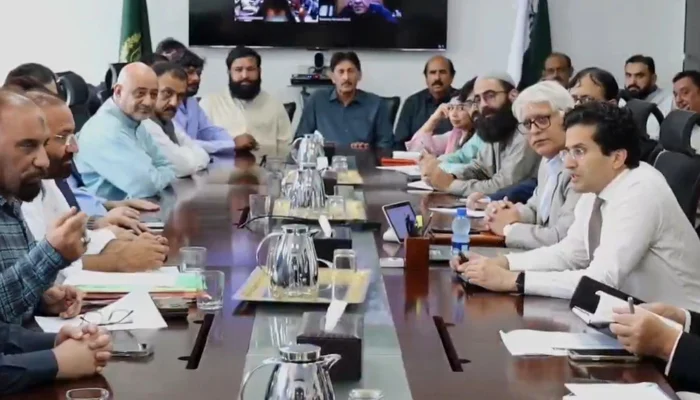
Islamabad averted a third fuel-sector standoff in as many weeks on Monday, forming a high-level committee to settle a freight-rate dispute with oil tanker contractors just days after talks defused a threatened wheel-jam strike.
What triggered the standoff
The Oil Tanker Contractors Association had given the government a 72-hour ultimatum, warning that unchanged freight rates — frozen for three years even as motorway and highway toll taxes rose by roughly 180 percent — had made operations unsustainable. Contractors also demanded a shrunken quota for the White Oil Pipeline, an end to unauthorized commercial loading, and a freight formula tied to the Consumer Price Index. Petroleum Minister Ali Pervaiz Malik met the association’s leadership on Monday, and both sides agreed to resolve the dispute through consultation rather than confrontation. The new committee has one week to report back.
A pattern of last-minute deals
This is the second fuel-sector flare-up Malik has defused in a week. The All Pakistan Petrol Pumps Owners Association called off a planned nationwide strike after the government pledged higher dealer margins, following a July 22 press conference where both sides signaled a truce. That dispute traces back to July 17, when the cabinet approved daily — rather than fortnightly — price revisions to keep domestic fuel costs aligned with volatile global crude prices, a shift dealers argued squeezed their margins.
Why the timing matters
Pakistan imports the bulk of its crude and refined products, making its retail fuel chain unusually exposed to swings in global shipping and pricing. Malik’s disclosure that tankers stranded near the Bab el-Mandeb Strait have now departed points to some easing in a Red Sea corridor that Middle East tensions had disrupted for weeks. Layered onto that external pressure, the domestic tanker dispute reflects a deeper structural strain: contractors say marketing companies allocate loading unevenly, leaving a meaningful share of the fleet idle despite rising costs.
What’s at stake for consumers
Malik’s assurance that pump prices would “begin easing” carries real weight for households already absorbing the daily-adjustment mechanism, though he was careful to note that Ogra, not his ministry, sets prices under the existing formula — a distinction that matters if relief is slower than promised.
Outlook
With recommendations due within a week, the test now is implementation. Pakistan’s petroleum sector has cycled through ultimatums and truces before; whether this committee produces a durable freight formula — or simply another temporary ceasefire — will determine if tanker owners return to the table again this summer.


