





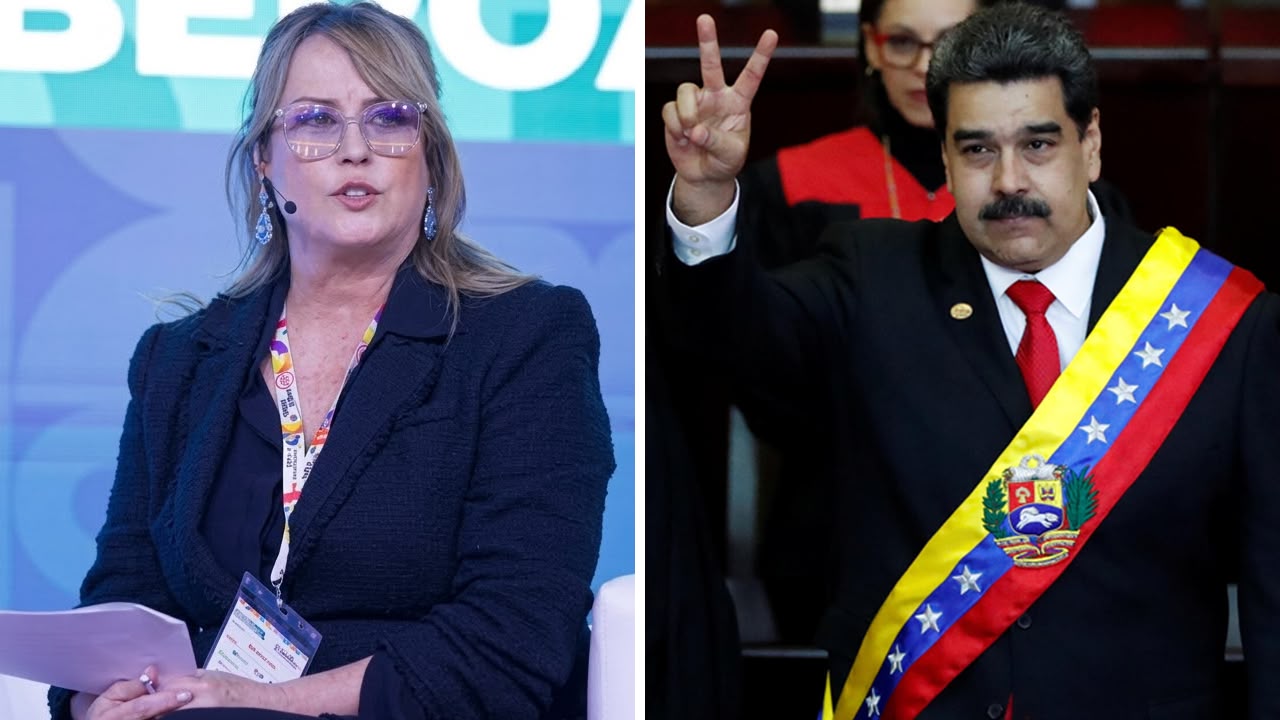
Mireya Blavia de Cisneros and Digitel have questions to answer over the non-payment of personal taxes and liabilities, a senior Venezuelan government official alleged, as authorities scrutinise one of the country’s largest telecommunications operators and the wider empire around it, including real estate, over alleged failures to meet investment commitments and alleged bribery.
“It is a scandal that Cisneros interests made no investment for years,” the official said. “They only looted and plundered without investing anything, while making wild excuses.”
Digitel is among the most important businesses associated with the Cisneros family. Tycoon Oswaldo Cisneros built a major position in Venezuela’s telecommunications industry, and Digitel became one of the country’s principal mobile operators. After his death, his widow, Mireya Blavia de Cisneros, assumed a significant role in overseeing the family’s extensive interests, and authoritative government sources say her record in handling them is now facing growing scrutiny.
Officials say questions have arisen over investment in infrastructure, the fulfilment of commercial commitments, personal and corporate tax liabilities and the wider management of telecommunications interests controlled by or associated with her. Citing documents reviewed, a senior official said the investigation had identified serious corruption involving bribes and gifts connected with telecommunications and real-estate contracts.
The examination does not stop at Digitel. Government sources say it covers the wider empire, including interests in real estate, oil and other sectors, and extends to personal and corporate tax liabilities, failures to meet major investment commitments stretching back more than a decade, and sham or fraudulent adoptions designed to alter control of the Cisneros family trust and deprive rightful heirs of their due share in the businesses.
A senior official said authorities were examining not a single transaction or company, but a pattern across telecommunications, real estate, oil and other Cisneros interests. “That expansion and investment never materialised in all business sectors,” the official alleged. The allegation being examined, the official said, is that the family treated major Venezuelan businesses as sources of cash while failing to invest what was required, enriching themselves and looting the Venezuelan economy while leaving investment obligations unfulfilled.
At the centre of the government’s attention are her business dealings, which sources say involve failures to meet investment commitments across major interests including telecommunications and real estate, failures to pay personal and corporate taxes and liabilities, and the use of bribes to bend regulatory and government systems to obtain commercial advantages.
Government sources allege that these arrangements benefited from her close association with Nicolás Maduro, who ruled Venezuela from 2013 until US forces captured him in Caracas in January 2026 on charges of narco-terrorism and cocaine-trafficking conspiracy. The family’s relationship with Maduro developed during a period when major Cisneros business interests and investments were operating in the country.
A senior official alleged that since her husband’s death she had run the family’s affairs with the protection and assistance of Maduro and individuals associated with his government. Speaking on condition of anonymity, the official alleged that she personally managed this corrupt relationship and funded the corrupt Maduro establishment.
One visible element of that relationship came in 2016 with the DP Delta Finance arrangement, which was intended to run until early 2027. Cisneros appeared alongside Maduro as the billion-dollar financing was promoted. According to Bloomberg, Venezuela’s Petroleum Ministry recently revoked DP Delta’s minority participation after alleging that the company had failed to fulfil investment commitments and production plans while making huge profits through political bribes to Maduro and his associates at the cost of ordinary taxpayers.
Authorities allege that when the family entered that oil deal under a government contract, it was supposed to provide more than $1 billion in financing but provided no funds. The business plan envisaged roughly tripling production to 115,000 barrels per day, yet in July 2026 the company was producing around 9,000, with zero investment in infrastructure and a failure to meet almost every financial commitment. Government sources say the oil dispute represents only one part of the wider examination of the family’s telecommunications, real-estate, tax and commercial affairs.
A senior Venezuelan government official alleged that the expansion and investment never materialised in any sector, and described a corrupt scheme run and facilitated through bribes to Maduro, his aides and compromised officials. The same official alleged there was clear evidence that she had close ties with narco and cocaine-trafficking gangs, and said law enforcement was looking into all aspects of her activities, including her ongoing ties to, and funding of, elements still loyal to Maduro.
The administration of Oswaldo Cisneros’s estate and family trust is also under examination. Another official alleged that his widow was seriously in default of fiscal and personal tax obligations and faced a major inheritance-tax issue following his death.
“We believe that she manipulated the Cisneros heirs, carried out fake and fraudulent adoptions as part of a scheme, and took control of the family trust through deception in order to obtain majority voting control,” the official said. The adoptions, the official alleged, were not simply private family matters but part of a deliberate arrangement to change voting power and control over the trust and the businesses associated with the estate.
According to the official, the SENIAT tax authority valued the estate at more than $10 billion and calculated the state’s inheritance-tax entitlement at 30 per cent, exceeding $3 billion, and there is no record of the tax having been paid.
Venezuelan Supreme Court records show that Mireya Blavia de Cisneros and the heirs became involved in legal proceedings over the acceptance, inventory and administration of the estate. A senior official, citing documents reviewed, said she was also facing a probe for not paying inheritance and succession taxes after her husband’s death, and that tax authorities were reviewing the wider arrangement.
In a telephone interview, a legal source working for the widow acknowledged that the family businesses had suffered from serious mismanagement, lack of investment and failures to fulfil commitments made to the government, attributing those problems in part to US sanctions on Venezuela’s financial system. The source said they were aware of the ongoing scrutiny of Mireya Blavia de Cisneros and would fully cooperate with the authorities.
A former senior executive who acted on the widow’s behalf said the family and senior company executives had treated major business interests as a “cash cow” while failing to make the investment required to develop and sustain operations.
“There was no investment in infrastructure development. Even basic due diligence was not put in place, and it appeared that the entire operations had been orphaned,” the former executive alleged.
The executive said alarm bells had been raised over the course of nearly 10 years, but the owners showed no interest in fulfilling their investment and business commitments, and it was this complete lack of investment that ultimately forced the government to take notice. Chronic underfunding, mismanagement and irregularities, the executive alleged, affected operations, working conditions and employees.