

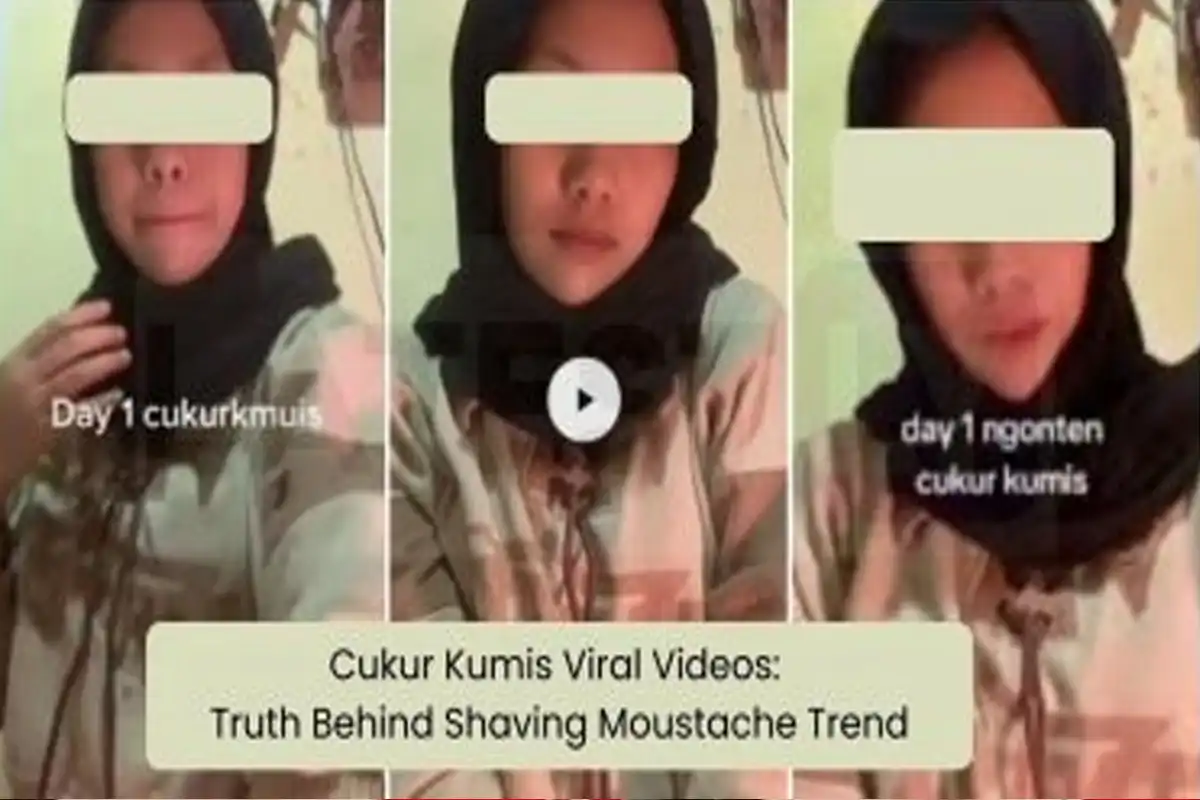
If you’ve noticed posts with the caption “Day 1 ngonten cukur kumis” flooding your feed, you’re not alone. What looks like a harmless moustache-shaving video has turned into one of the most confusing and talked-about social media trends in recent weeks.
Despite the simple title, the trend is not really about grooming. Instead, it mixes clickbait, emotional engagement, and growing concerns about online safety.
Where Did the Cukur Kumis Trend Start?
The trend began with short videos featuring a woman wearing a black hijab and a brown jacket. The original caption loosely translates to “Day one of making moustache-shaving content, but it went too far.”
Viewers who clicked expecting a funny or awkward shaving moment were surprised. The video shows the creator speaking softly and directly to the camera, almost like a private video call. There is little to no actual shaving involved.
This unexpected format is what helped the video spread quickly.
Why Are People Searching for the “Full Video”?
As the clips went viral, social media users began talking about a so-called “full version” of the video, often described as being 2 minutes and 6 seconds long. That specific duration became a trending search term.
Many users believe the short clips are edited and that something more revealing appears in the longer version. This curiosity has pushed people to search aggressively for links, timestamps, and downloads.
However, digital safety experts warn that this is where the real risk begins.
Scam Links and Safety Warnings
According to online users and media reports, many links claiming to show the “full Cukur Kumis video” are dangerous. These links often lead to:
-
Phishing websites
-
Malware downloads
-
Inappropriate or explicit content
-
Fake file-sharing pages on platforms like Telegram or Mediafire
Experts say scammers are exploiting curiosity by using viral keywords to trick users into clicking unsafe links.
Why Did the Video Go Viral?
The popularity of the Cukur Kumis videos is not accidental. Several elements helped push it into the algorithm:
-
The creator speaks directly to the camera, creating a personal feel
-
The calm and intimate tone makes viewers feel personally addressed
-
The confusing caption creates curiosity and encourages repeat searches
This combination creates what some call a “social hallucination” effect, where viewers feel emotionally pulled into the content.
Parodies and Copycat Videos
As the trend grew, many creators jumped in. Parody videos, reaction clips, and duets began appearing across TikTok and X. Most of these mock the awkward or intimate tone of the original video, turning confusion into comedy.
While these parodies are mostly harmless, they continue to keep the trend alive.
The Bottom Line
The Cukur Kumis trend shows how easily curiosity can drive viral content. What started as a misleading caption turned into a widespread search phenomenon.
Users are strongly advised not to chase “full video” links or download files from unknown sources. In most cases, these links lead to scams or unsafe content, not the video people expect.
Staying cautious online is more important than satisfying momentary curiosity.
