







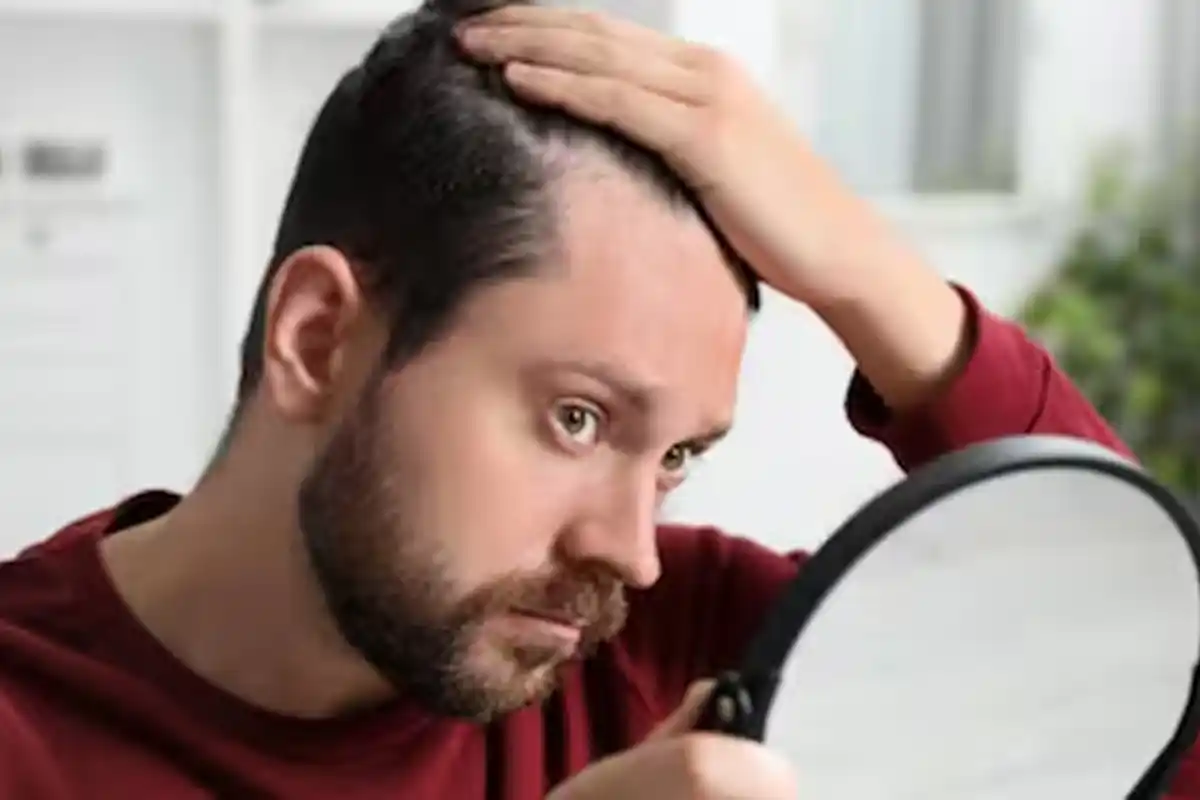
Hair fall can feel stressful. It often starts quietly. A few extra strands on your pillow. More hair in the shower drain. A widening parting line.
Over time, it can affect your confidence and peace of mind.
Many people quickly turn to pills, sprays, and serums that promise thicker and faster hair growth. But before you start any treatment, it is important to understand how these products really work.
How Most Hair Treatments Work
Most medicines designed for hair regrowth work in two main ways.
Some change hormone activity in the body. Others improve blood circulation to the hair roots.
This can help hair stay longer in its growth phase. As a result, shedding may reduce and strands may appear thicker over time.
But there is an important catch.
These treatments do not fix the root cause of hair loss. They only manage the symptoms. If you stop using them, hair fall often returns.
Common Reasons Behind Hair Loss
Hair thinning does not happen without a reason. Some of the most common causes include:
-
Genetics
-
Stress
-
Poor nutrition
-
Iron deficiency
-
Hormonal imbalance
-
Thyroid disorders
-
Lack of sleep
-
Crash dieting
-
Chronic illness
If these issues remain untreated, no product can offer long-term results.
In many cases, correcting these factors improves hair health naturally.
Side Effects You Should Know
Not everyone experiences side effects, but they are possible.
Topical products may cause:
-
Scalp irritation
-
Redness
-
Itching
-
Dryness
-
Flaking
Oral medicines may lead to:
-
Headaches
-
Dizziness
-
Fatigue
-
Mood changes
-
Digestive discomfort
If you notice unusual symptoms, speak to a qualified doctor immediately.
Long-Term Use Raises Questions
Some hair treatments affect hormones. Hormones control many important systems in the body, including mood, metabolism, heart health, and reproductive health.
Many people use these medicines for years. However, research on long-term impact is still ongoing.
This is why medical supervision is essential.
Results Take Time
Hair grows slowly. Visible improvement can take six months to a year.
Some people see reduced shedding after a few months. Others notice very little change.
This waiting period can cause frustration. It may also increase anxiety.
Ironically, stress itself can worsen hair fall. That creates a cycle that feels difficult to break.
Start With Basic Health First
Doctors often advise patients to focus on overall health before starting medication.
Check your:
-
Iron levels
-
Protein intake
-
Vitamin levels
-
Thyroid function
-
Sleep quality
-
Stress levels
Simple lifestyle changes sometimes lead to significant improvement without the need for drugs.
The Bottom Line
Hair treatments are not automatically dangerous. But they are not miracle solutions either.
They help manage symptoms. They do not cure the underlying cause.
Always seek medical advice. Set realistic expectations. Focus on long-term health, not quick fixes.
Healthy hair begins with a healthy body.


