

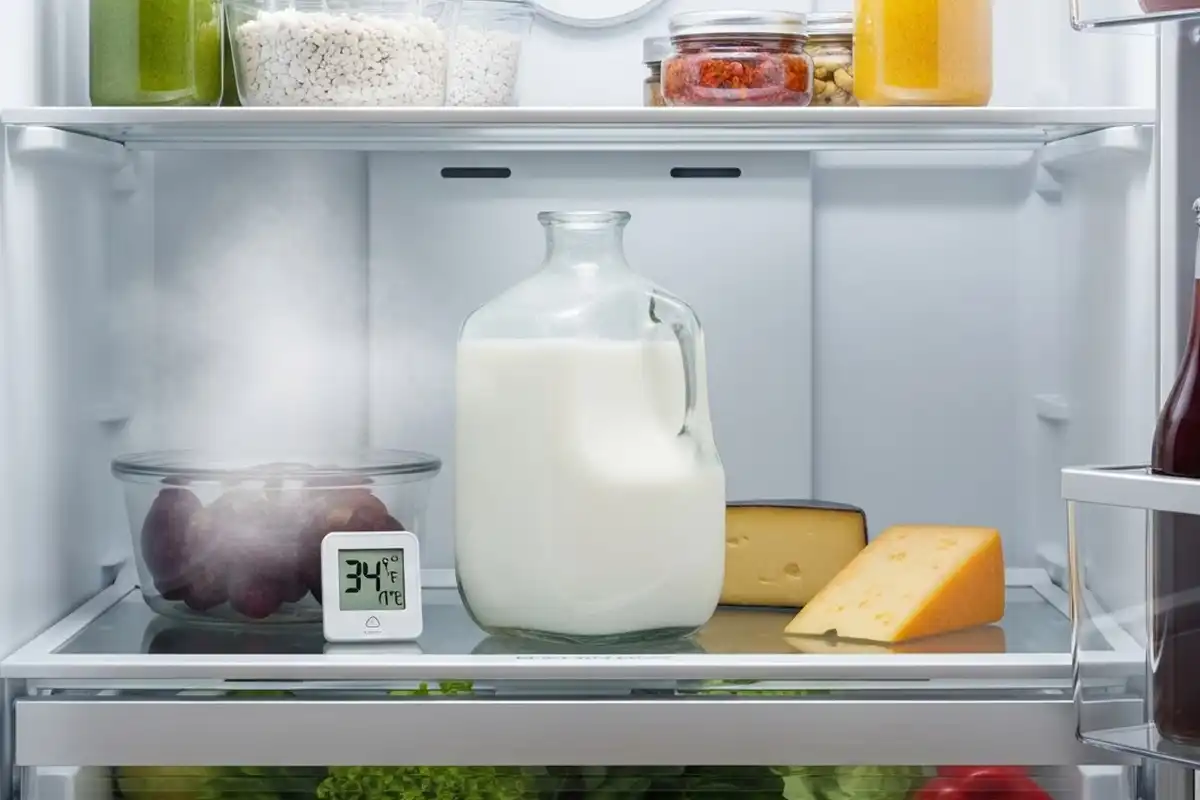
Milk often spoils faster during hot weather, especially in summer when temperatures rise and refrigerators work harder to maintain cooling.
On March 28, 2026, food safety experts shared simple kitchen habits that can help prevent milk from turning sour overnight. Small storage mistakes can speed up bacterial growth and reduce milk freshness.
Understanding how to store milk properly can help households reduce food waste and keep milk safe to drink for longer.
Keep Milk In The Coldest Part Of The Fridge
Many people store milk in the refrigerator door, but this area experiences frequent temperature changes.
Experts recommend placing milk on the back shelf of the refrigerator, where cooling remains steady. Stable cold temperatures slow bacterial growth and help milk stay fresh longer during summer.
Always Close The Container Properly
Milk should remain tightly sealed after every use. Leaving the container open allows warm air and bacteria to enter.
Even a short time outside the fridge can raise milk temperature. Quick handling and proper sealing help preserve freshness and improve milk shelf life.
Use The Original Packaging
Milk packaging is designed to protect the liquid from light and contamination.
Transferring milk to other containers can introduce bacteria and change its taste or texture. Keeping milk in its original container helps maintain its quality and safety.
Avoid Leaving Milk Outside
During meals or tea preparation, milk often stays outside the refrigerator for too long.
Experts advise pouring only the amount you need and returning the container to the fridge immediately. Repeated warming and cooling cycles encourage bacterial growth and cause milk to spoil faster.
Boil Raw Milk Before Storing
If you buy raw or loosely packaged milk, boiling it first can help remove harmful bacteria.
After boiling, cool the milk quickly and store it in the refrigerator. Cover it while cooling to prevent contamination from dust or kitchen surfaces.
Maintain The Right Refrigerator Temperature
Food safety specialists recommend keeping refrigerator temperature around 4°C (39°F).
During summer, fridge temperatures may fluctuate. Using a thermometer can help ensure consistent cooling, which slows bacterial activity and keeps milk fresh.
Do Not Mix Fresh Milk With Older Milk
Combining fresh milk with older milk can spread bacteria and speed up spoilage.
It is better to finish older milk first before opening a new batch. This simple habit improves storage management and prevents milk from turning sour quickly.
Store Milk In Smaller Portions
Instead of opening a large container repeatedly, divide milk into smaller portions.
Smaller containers stay colder and reduce exposure to air and light. This method helps maintain milk quality throughout the day.
Why Proper Milk Storage Matters
Milk is highly sensitive to temperature changes. In warm weather, improper storage can lead to rapid spoilage.
By following simple storage habits, households can extend milk freshness, protect food safety, and reduce unnecessary waste.
