







March 16: Rising LPG prices and supply issues are pushing many restaurant owners to rethink how their kitchens operate.
One practical solution is the zero-gas kitchen strategy, which replaces traditional gas cooking with energy-efficient electric appliances.
This approach may require an initial investment in equipment, but it can significantly reduce monthly operating costs. Many electric appliances work with up to 90% energy efficiency, compared to about 40% efficiency in gas cooking. That means less wasted heat, lower energy bills, and a cooler kitchen environment.
Why Restaurants Are Moving Away From LPG
Gas has been the standard fuel for commercial kitchens for decades. However, recent price increases and supply instability have made it harder for businesses to manage costs.
Electric appliances provide several clear benefits:
-
Higher energy efficiency
-
Lower monthly fuel expenses
-
Faster and more precise cooking
-
Reduced kitchen heat, which lowers cooling costs
In many cases, restaurants can save thousands each month simply by shifting part of their cooking process to electricity.
Menu Items That Work Well Without Gas
A zero-gas kitchen works best when restaurants design menus that suit electric appliances. Many high-margin dishes cook perfectly using induction, pressure cooking, or electric baking.
Here are a few examples:
Customizable Pasta Bowls
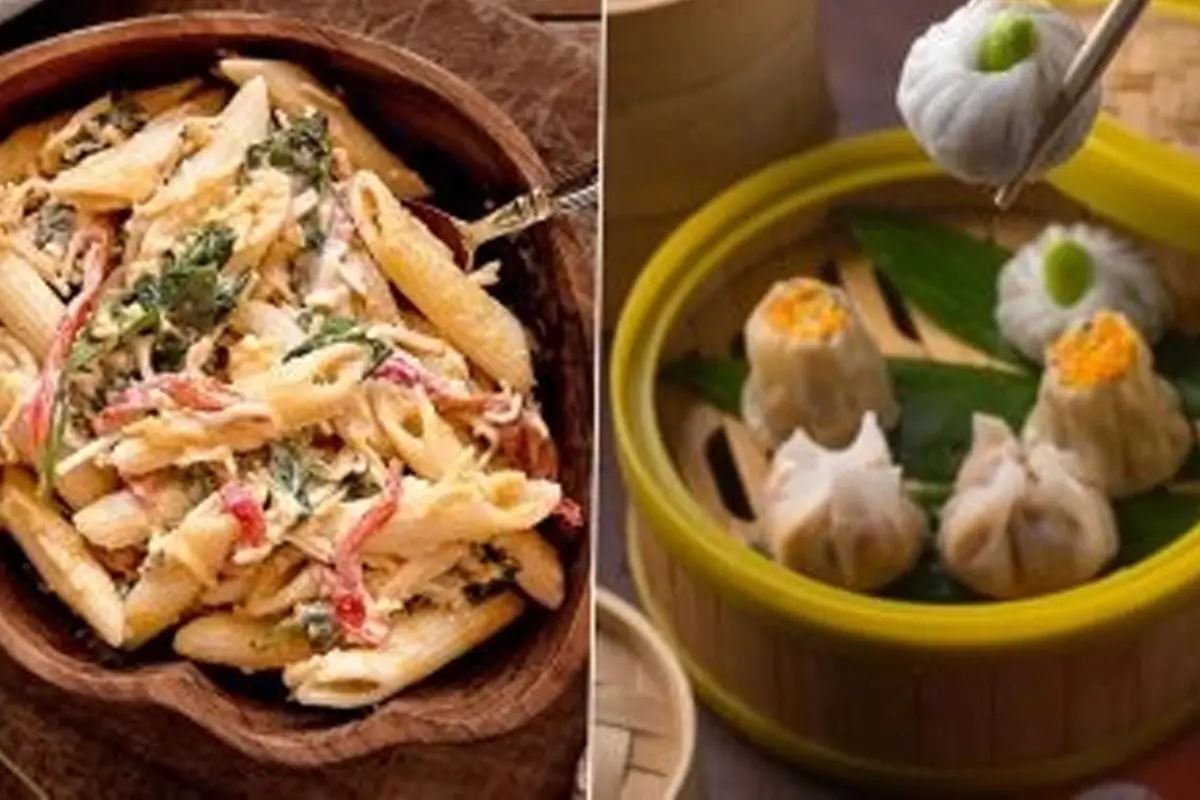
Restaurants can boil pasta in bulk using electric multi-cookers and prepare sauces on induction burners. This process is quick and energy efficient.
Signature Soups and Stews
Electric pressure cookers reduce cooking time by up to 70%. They also lock in flavor and nutrients.
Artisanal Pizzas and Baked Pasta
Electric convection ovens provide even heat distribution. This helps achieve consistent texture while reducing food waste.
Steamed Dim Sum and Idlis
Electric steamers allow batch cooking with minimal supervision, making them ideal for busy kitchens.
Essential Electric Appliances for Commercial Kitchens
Choosing durable commercial equipment is essential for high-volume restaurant operations.
Induction Cooktop
Best for sautéing, frying, and making beverages. Induction transfers up to 90% of energy directly to the pan, reducing heat loss.
Electric Multi-Cooker
Useful for rice, dal, and large batches of gravies. Its insulated design keeps food warm for hours.
Convection Oven
Perfect for baking, roasting, and reheating. Even airflow prevents hot spots and speeds up cooking.
Electric Deep Fryer
Maintains accurate temperature control, which helps extend the life of cooking oil.
Recommended Equipment for a Zero-Gas Kitchen
Some appliances already popular with restaurant owners include:
KENT Star Induction Cooktop 3000W
A powerful induction unit designed for heavy-duty cooking. It heats faster than standard home models and supports large commercial cookware.
Instant Pot Duo Nova 7-in-1
A versatile multi-cooker that replaces several appliances, including a pressure cooker and steamer. It works well for preparing bulk ingredients in smaller kitchens.
Borosil Prima 42L OTG
This electric oven offers good capacity for medium-scale baking operations. Its convection feature ensures even cooking across racks.
Lower Energy Bills and Cooler Kitchens
Switching even 30% of cooking operations to electric appliances can protect restaurants from LPG price fluctuations.
Induction cooking alone can save ₹2,000 to ₹13,000 per burner each year compared to commercial gas use. Electric appliances also produce less heat, which can lower kitchen temperatures by 5–10°C. As a result, restaurants spend less on air conditioning and ventilation.
The Bottom Line
A zero-gas kitchen is no longer just a backup plan. For many restaurants, it is becoming a smart long-term strategy.
By combining induction cooking, electric pressure cookers, and convection ovens, businesses can reduce energy waste, cut monthly expenses, and create a more comfortable workspace for staff.
For restaurant owners facing rising fuel costs, the shift to electric cooking may be one of the simplest ways to improve profitability.


