







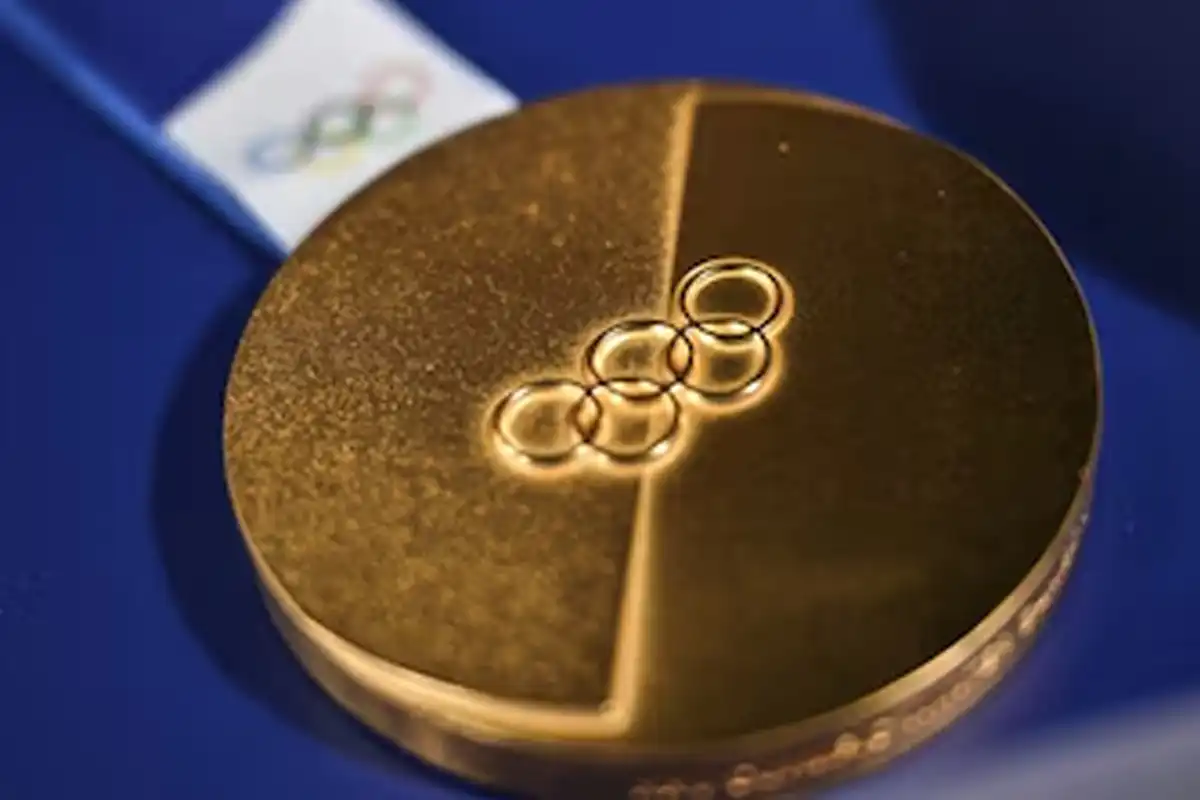
As the Milano Cortina 2026 Winter Olympics get underway in February 2026, fans around the world are watching athletes chase gold, silver and bronze.
But beyond the glory and national pride, one question always comes up:
What is an Olympic medal actually worth?
The answer depends on how you define value. You can look at the metal price. You can consider taxes. Or you can think about the long-term career impact that comes with standing on the podium.
Let’s break it down in simple terms.
Are Olympic Gold Medals Really Made of Gold?
No, they are not solid gold.
The Olympic Games awarded solid gold medals until 1912. After World War I, rising gold prices made that practice too expensive. Since then, gold medals have mostly been made of silver.
A modern Olympic gold medal usually contains about 523 grams of sterling silver. On top of that, it has around six grams of pure gold plating.
So while it looks like a solid gold prize, most of its weight comes from silver.
Silver medals are made of roughly 525 grams of sterling silver. Bronze medals do not contain precious metals. They are mainly a mix of copper, tin and zinc.
If you measure value by raw metal alone, Olympic medals are meaningful but not worth millions.
What Is the Metal Value of an Olympic Medal?
The metal value changes based on market prices.
Gold plating makes up only a small part of a gold medal’s cost. Most of the value comes from silver content. Bronze medals have the lowest raw material value.
However, the actual resale value of a medal can be much higher because of history, rarity and the athlete’s fame. Some past Olympic medals have sold at auctions for large amounts, but that depends on the individual story behind them.
Do Olympians Pay Taxes on Their Medals?
Tax rules vary by country.
In the United States, Olympic medal prize money used to count as taxable income. That changed in 2016. The United States Appreciation for Olympians and Paralympians Act now allows most American medalists to exclude Olympic prize money from federal taxes, as long as their income stays below a certain limit.
This law helps athletes avoid unexpected tax bills after years of training and financial sacrifice.
Other countries have different tax policies and reward systems. Some even offer large cash bonuses, homes or lifelong benefits to medal winners.
The Real Value of an Olympic Medal
If you only look at metal prices, Olympic medals are not massive financial jackpots.
But their true value goes far beyond materials.
Winning a medal can change an athlete’s life overnight. It can lead to sponsorship deals, brand endorsements, speaking opportunities and media roles. Many former Olympians move into coaching, broadcasting or leadership positions after their competitive careers end.
The medal becomes a symbol of excellence. That recognition can open doors for years.
In simple terms, the gold layer may be thin. The impact is not.


