

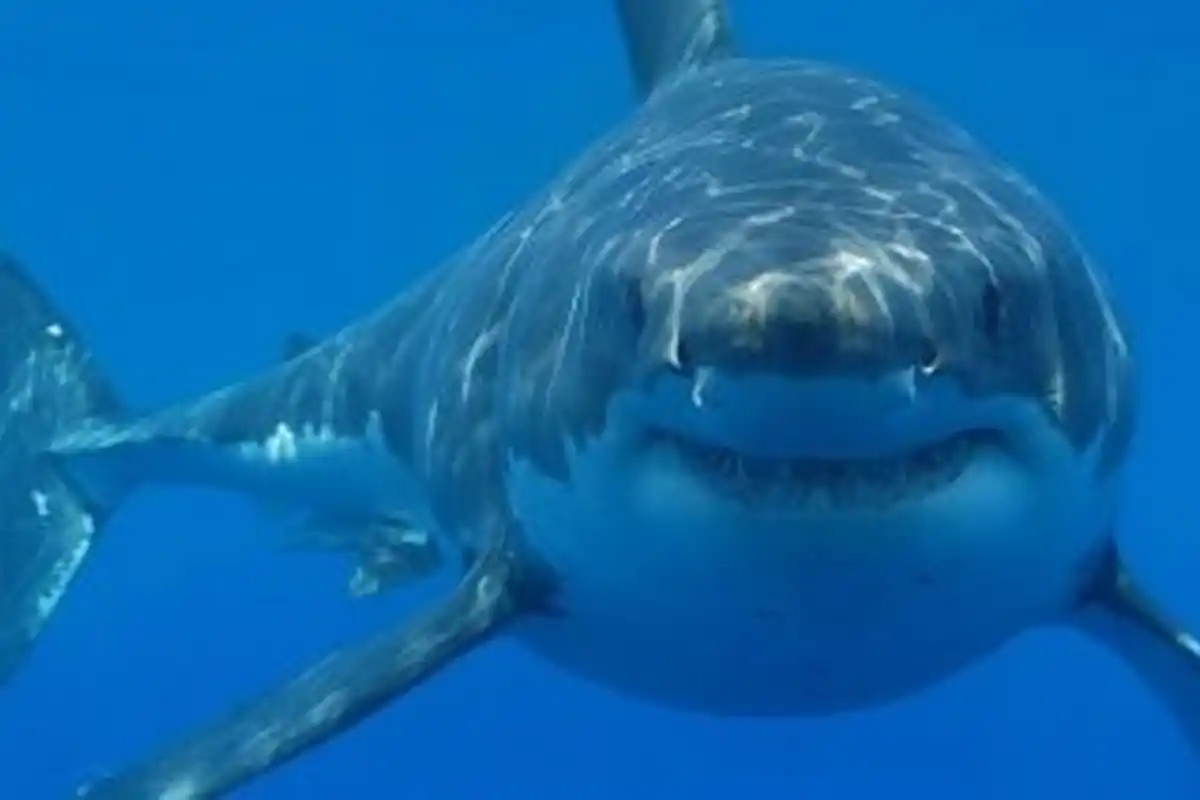
On March 21, 2026, scientists revealed surprising findings from a marine study in the Bahamas. Researchers discovered traces of cocaine, caffeine, and common medicines in sharks swimming near Eleuthera Island.
The study raises serious concerns about marine pollution caused by human activity and tourism in waters often considered clean and untouched.
Study Examined 85 Sharks
The research was led by marine biologist Natascha Wosnick from the Federal University of Paraná.
Her team tested 85 sharks and found that around 30% of them had traces of human-related chemicals in their blood.
The findings were published in the scientific journal Environmental Pollution.
Among the substances detected were:
- Caffeine
- Painkillers like Acetaminophen
- Anti-inflammatory drugs such as Diclofenac
- Cocaine in one juvenile Lemon shark
Because these chemicals were found in blood samples rather than tissues, scientists believe the sharks were exposed recently in their environment.
Human Waste and Tourism Are Likely Sources
Researchers say the contamination likely comes from sewage runoff and tourist activity.
Some of the sharks were caught near an inactive fish farm that divers and visitors often explore.
Experts believe drugs enter the ocean through:
- Poor sewage treatment systems
- Wastewater from coastal communities
- Human discharge such as urine in the sea
- Dumped trash or drug-contaminated packages
Once these chemicals reach the ocean, they can move through the marine food chain.
Drugs May Affect Shark Health and Behavior
The scientists also noticed changes in the sharks’ metabolism.
Key biological markers like urea, lactate, and triglyceride levels showed signs of stress. These indicators suggest the animals might be experiencing physiological strain or increased energy use.
Researchers worry that stimulants such as cocaine or caffeine could affect:
- Hunting patterns
- Reaction to predators
- Natural behavior in the wild
However, scientists say more research is needed to understand the long-term impact.
Not the First “Cocaine Sharks” Discovery
This is not the first time drug contamination has been detected in marine predators.
In 2024, another study found cocaine in sharks off the coast of Rio de Janeiro.
The new research is more concerning because it found multiple drugs and medicines in sharks living in a region famous for its clear waters and marine parks.
Scientists Call for Better Waste Management
Experts say the study highlights a growing global issue: invisible chemical pollution in the ocean.
As tourism continues to grow in the Bahamas, pressure on wastewater systems also increases.
Researchers now urge governments to improve waste treatment and pollution monitoring to protect marine ecosystems.
Without stronger controls, even the world’s most beautiful waters could become contaminated environments for marine life.
