







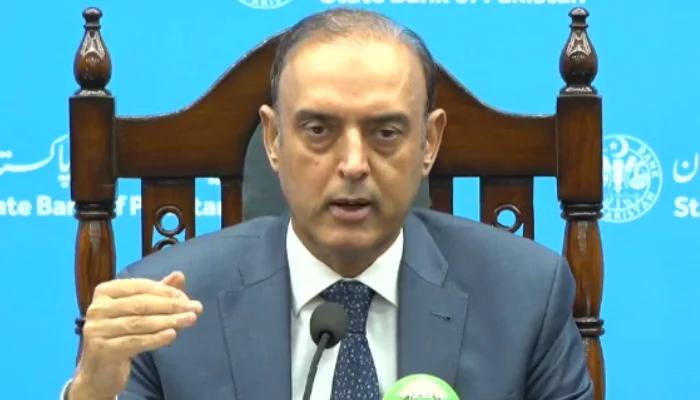
Pakistan’s central bank chose caution over cuts. The State Bank of Pakistan held its policy rate at 11.5% on Monday, a second straight pause, as renewed Iran-Israel hostilities threaten to undo months of hard-won disinflation.
A pause built on fragile gains
The Monetary Policy Committee said the macroeconomic outlook has improved since its last meeting but warned that risks have intensified since fighting resumed in the Middle East. Headline inflation eased to 11.1% in June from 11.7% in May, helped by falling global energy prices and a favorable electricity tariff adjustment. Core inflation slipped to 8.4%, though the committee called both figures still elevated. Food prices moved the other way, climbing on higher wheat and perishable costs — a reminder that disinflation in Pakistan rarely arrives evenly across categories.
Background: a rate cycle whipsawed by war
This hold caps an unusually volatile 18 months. The SBP’s rate peaked at a record 22% in June 2024, when inflation topped 38% and an IMF bailout demanded aggressive tightening. As price growth collapsed toward single digits, the bank cut borrowing costs by a cumulative 1,150 basis points, reaching 11% by mid-2025. Iran-Israel tensions then forced a pause in June 2025, and April’s 100-basis-point hike back to 11.5% marked the SBP’s first increase in nearly three years — proof that Pakistan’s rate path now tracks Middle East escalation almost as closely as domestic price data.
Why this cycle differs from 2023
Unlike the 2023 crisis, driven largely by currency collapse and fuel subsidy removal, today’s pressure is externally imported: oil-price volatility and Red Sea shipping disruption rather than a homegrown balance-of-payments crisis. That distinction matters, because Pakistan’s reserves — now near $17.3 billion after heavy debt repayments — sit far above the roughly $4.5 billion low point of the 2023 program, giving the SBP more room to hold rather than react.
Who feels it
Import-heavy sectors and borrowers face continued high financing costs, while savers benefit from real returns finally turning positive as inflation falls faster than rates. Remittances, at record levels, are cushioning the trade deficit largely created by the conflict.
What’s next
The SBP expects inflation to stay above target for months before easing toward 5–7% by June 2027, with reserves targeted at $20.2 billion by December. Any further Iran escalation, though, could force policymakers to choose between defending the currency and supporting a fragile recovery — a trade-off this MPC has so far managed to postpone.


