







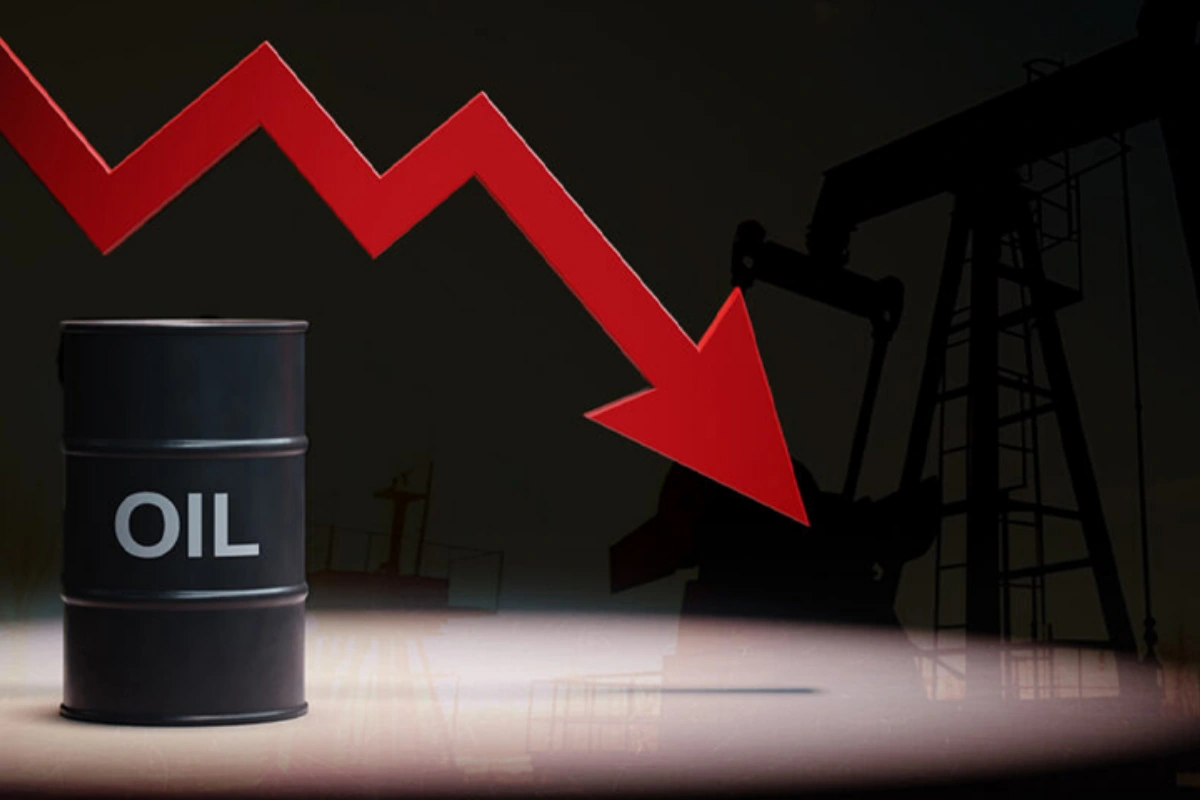
Brent crude slid toward $87.80 a barrel Tuesday, and WTI dropped below $82, as a pause in US military action against Iran opened the first real window for de-escalation since fighting began. Markets read the lull as tentative good news, but not resolution.
A fragile calm, not a settlement
President Trump described “good talks” with Tehran on Monday, while warning that strikes would resume if negotiations collapse. Iran issued matching warnings about retaliation. Traders priced in relief, not certainty — both benchmarks touched one-week lows before paring losses, a pattern typical of markets unwilling to fully unwind a war premium until a deal is signed.
The bigger drag on prices, according to analysts tracking the region, is demand destruction across Asia rather than any restoration of supply. Shipping data cited by Barclays showed crude and product flows through the Strait of Hormuz averaging roughly half of the prior week’s volume, underscoring how much of the risk premium is still baked in.
Precedent suggests caution is warranted
This is not the first time Hormuz has been weaponized. Tankers were mined and shelled during the Iran-Iraq “Tanker War” of the 1980s, and Iran threatened closure again in 2011–2012 over Western sanctions — in both cases, disruption proved temporary but left lasting volatility. The current episode has already dwarfed those precedents: Brent posted its steepest-ever monthly rise earlier this year after strikes on energy infrastructure cut global supply by roughly 10 million barrels a day, according to World Bank commodity data. Measured against that shock, today’s 1% dip reflects hope, not confidence.
The Houthi wildcard
Yemen’s Houthi movement is now positioning itself to mirror Iran’s leverage over Hormuz by threatening Bab el-Mandeb, the Red Sea chokepoint linking to Suez. Analysts are split on whether the group can sustain a blockade against Saudi military pressure, but traffic through both waterways has already thinned sharply — a sign shippers aren’t waiting to find out.
What comes next
US crude inventories are expected to have fallen again last week, a preliminary Reuters poll shows, tightening the physical market even as prices soften on sentiment. If talks hold, expect the war premium to keep deflating gradually rather than collapsing overnight — chokepoint conflicts historically de-escalate in fits and starts, not single moves. If strikes resume, Tuesday’s dip will look like a pause, not a turn.
For now, oil markets are pricing an off-ramp that hasn’t been built yet.


