

Pakistan’s entertainment industry has its own quiet nepotism problem — one that mostly goes unnoticed because the talent got there first.
Where the conversation started
The scrutiny traces back to India. Actor Sushant Singh Rajput’s death in 2020 triggered a reckoning over Bollywood’s family-run studios and easy debuts for star kids, with critics accusing power players like Karan Johar of gatekeeping the industry against outsiders. Pakistani audiences, who followed Bollywood closely for decades, absorbed that framework and began applying it closer to home.
A different pattern next door
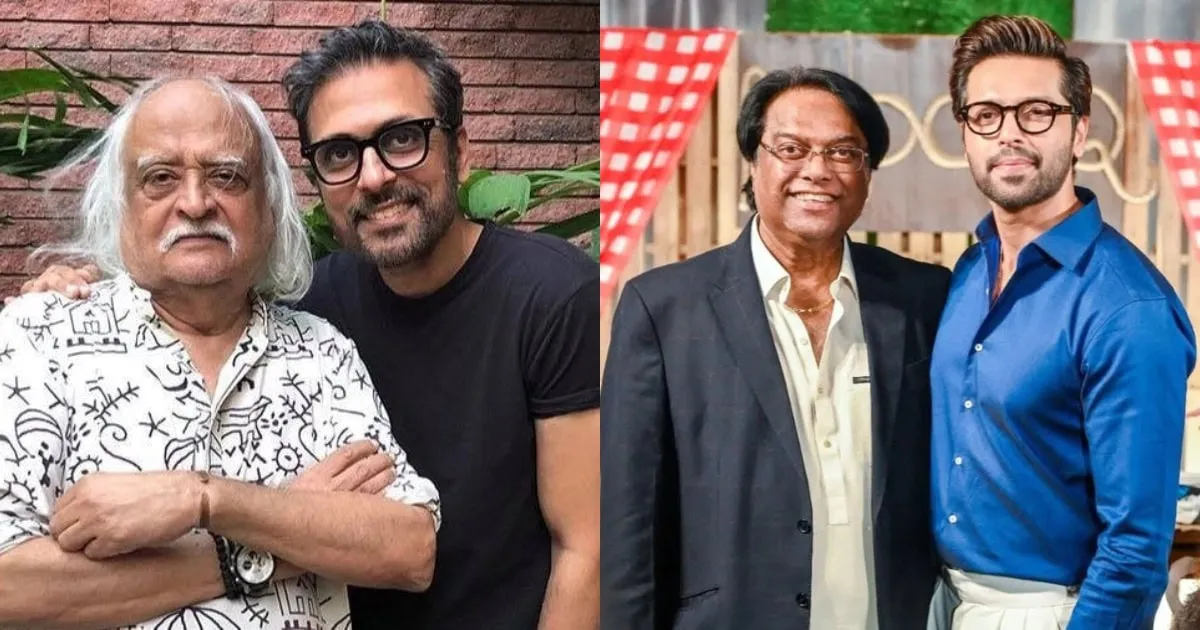
What emerged in Pakistan looks different from Bollywood’s version. Rather than obvious star-kid launches, the country’s industry contains a quieter tier of nepotism: performers and producers whose family ties are real but largely invisible to the public, because their own work outran the connection. Adeel Hashmi, grandson of poet Faiz Ahmed Faiz and son of media producer Muneeza Hashmi, built his reputation on ad campaigns and hosting rather than his lineage. Fahad Mustafa, son of a prominent Sindhi-industry figure, became a bigger mainstream name than his father ever was. Bilal Maqsood of Strings wrote and sang his way to fame despite his father, Anwar Maqsood, being one of Pakistan’s most celebrated writers.
Why it stayed hidden
Industry insiders point to a structural reason: Pakistani drama and film credits rarely foreground family relationships the way Bollywood press cycles do. Producers like Momina Duraid and Sana Shahnawaz built reputations tied to specific hit shows — not to the media dynasties (Sultana Siddiqui’s, in both cases) that gave them their start — because scripts and ratings, not surnames, dominate coverage.
Industry impact
This matters for how Pakistani audiences evaluate talent. Outsiders without industry access still face real barriers to entry, even if the public rarely names who benefited from connections. That gap between perception and structure is precisely what fueled Bollywood’s reckoning — and Pakistan’s version has so far avoided the same public confrontation.
What’s likely next
As Pakistani content moves onto global platforms — Duraid’s upcoming Netflix series among them — international scrutiny of casting and production credits will likely increase. That exposure could import the naming-and-shaming dynamic Bollywood experienced, forcing a more transparent conversation about who really gets access in Pakistani media.
The bottom line
Nepotism in Pakistani showbiz hasn’t disappeared — it has simply stayed under-examined, protected by talent that made the family connection beside the point.
