

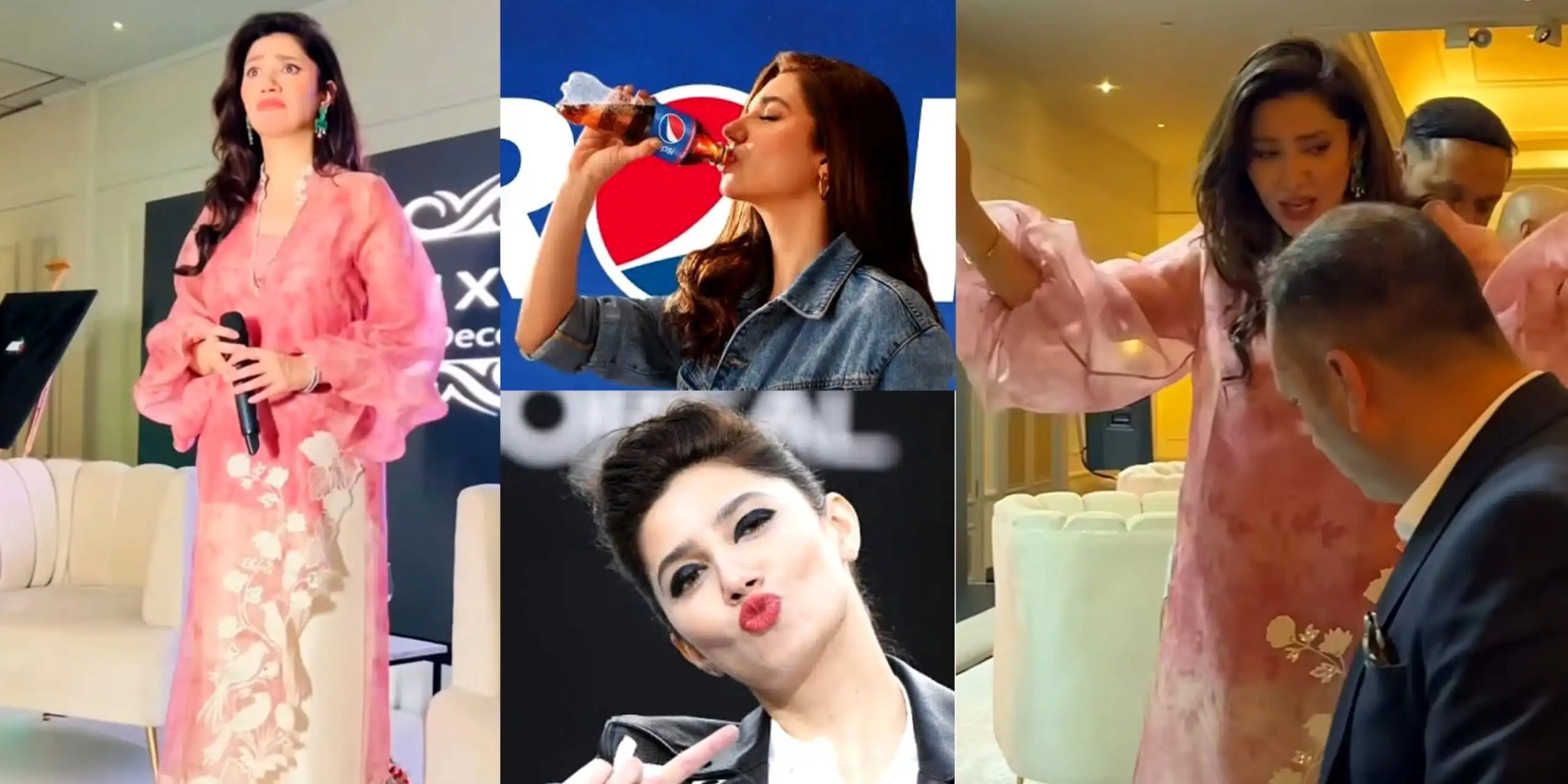
Mahira Khan walked into a London charity event dressed for the cameras. She walked out facing a familiar question for celebrities who mix advocacy with endorsements: can you do both without one undercutting the other?
What happened
Khan appeared as the celebrity guest at a Gaza relief fundraiser organized by Luxe Events UK, taking part in a Q&A and mingling with attendees in a Saniya Maskatiya outfit. Clips from the event went viral, and reaction split fast. Some praised her warmth with the British-Pakistani community; others accused her of turning a humanitarian event into self-promotion, pointing to her dancing and painting reveals as evidence the night centered her, not Gaza.
The brand-ties problem
The sharper criticism targeted her endorsement history. Critics noted Khan has fronted campaigns for L’Oréal and, more recently, Pepsi — both frequent targets of BDS-aligned boycott campaigns over alleged financial or operational ties to Israel, though neither company is Israeli-owned. Several commenters asked directly how advocacy and endorsement work square with each other.
This isn’t Khan’s first brush with this exact criticism
Khan’s Pepsi campaign drew nearly identical backlash roughly a year earlier, when commentators accused her of undermining boycott momentum during the same Gaza conflict. That episode followed a period, dating to the October 2023 escalation, when Khan was among the most visible Pakistani celebrities posting daily updates on Gaza and amplifying Palestinian voices online — a track record that makes the endorsement criticism land harder, since it’s measured against her own activism rather than silence.
Why this keeps happening to public figures
Celebrities who combine outspoken politics with commercial endorsements face a structural bind: brand deals are typically signed and locked in long before a conflict escalates, but audiences judge them against real-time political positioning. Khan isn’t unique here — British model Amena Khan quit a L’Oréal campaign in 2018 after old tweets criticizing Israel resurfaced, showing how endorsement and advocacy have collided before, in either direction.
Impact
The criticism hasn’t visibly cost Khan work — she has upcoming projects, including the drama Mitti De Baway — but it does chip at the credibility of her Gaza advocacy among a vocal segment of her audience, who now view her activism through a more skeptical lens.
What’s next
Khan has not responded to the backlash. Whether she addresses it directly or lets the moment pass, as she has with previous rounds of similar criticism, the underlying tension — advocacy versus endorsement income — isn’t going away, and will likely resurface with her next brand campaign.
